How to Avoid Loose Skin After Weight Loss: 8 Proven Ways
Plastic Surgery

How to Avoid Loose Skin After Weight Loss: 8 Proven Ways

June 12, 2026
11
Share Article :

How to Avoid Loose Skin After Weight Loss: 8 Proven Ways

Eight expert-backed ways to reduce loose skin while losing weight — gradual loss, strength training, protein, hydration, and what to do on GLP-1 medications.

You can't always fully prevent loose skin, but you can significantly reduce it by losing weight gradually (about 1–2 lb / 0.5–1 kg per week), building muscle through strength training, eating enough protein and collagen-supporting nutrients, staying hydrated, protecting your skin from the sun, and not smoking. The single biggest factor is speed: slower loss gives skin time to retract.

While genetics, age, and how much weight you lose all play a role, the habits you keep during weight loss make a real difference to how your skin looks afterward. Here are eight evidence-backed ways to avoid loose skin — including what to do on a GLP-1 medication like Ozempic or Wegovy.

Woman strength training with dumbbells to help prevent loose skin

Can You Prevent Loose Skin After Weight Loss?

Honestly, you can't guarantee zero loose skin — especially after large losses (30+ kg) or in older skin. But you can reduce how much develops and how noticeable it is. Skin stretched slowly and supported with muscle, protein, and hydration retracts far better than skin deflated quickly by a crash diet. Think of prevention as stacking the odds in your favour, not a guarantee.

How to Avoid Loose Skin After Weight Loss: 8 Proven Ways

  1. Lose weight gradually. Aim for about 1–2 lb (0.5–1 kg) per week, giving your skin time to shrink with you.
  2. Build muscle with strength training. Lean muscle fills out the space under your skin and improves contour. Train all major areas two to four times a week.
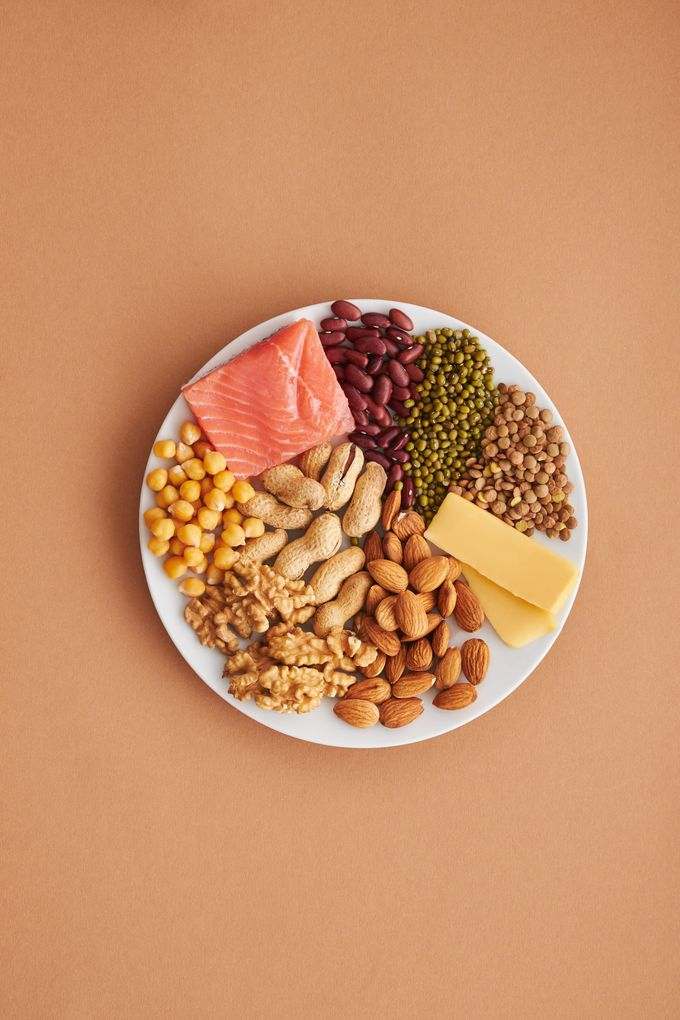
  3. Eat enough protein. Protein supplies the building blocks for collagen and protects muscle while you lose.
  4. Support collagen and skin nutrition. Vitamin C, zinc, and antioxidants help build and protect collagen.
  5. Stay hydrated. Well-hydrated skin looks plumper and more elastic.
  6. Protect your skin. Daily sunscreen, limiting UV, and a simple routine (moisturiser, retinoids if suitable) help preserve collagen.
  7. Avoid crash and yo-yo dieting. Very rapid loss and weight cycling stretch and deflate skin faster than it can adapt.
  8. Start non-surgical skin support early. For moderate concerns, radiofrequency or RF microneedling stimulate your own collagen.

The pinch test: pinch the skin and let go. If it springs back quickly, your elasticity is good. If it stays creased, you may need treatment later.

Protein-rich foods and legumes that support skin elasticity

What Causes Loose Skin When You Lose Weight?

  • How much weight you lose — larger losses (30+ kg) stretch skin more.
  • How fast you lose it — rapid loss leaves little time to adapt.
  • How long the skin was stretched — years of obesity reduce elasticity.
  • Age — collagen and elastin decline, so older skin retracts less.
  • Genetics, sun exposure, and smoking, which all affect skin quality.

How to Avoid Loose Skin on GLP-1 Medications (Ozempic, Wegovy, Mounjaro)

GLP-1 loss is often rapid and frequently includes muscle loss, which removes the volume that keeps skin looking full ("Ozempic face"). To protect your skin:

  • Prioritise protein at every meal to limit muscle loss.
  • Strength train consistently to preserve and build muscle.
  • Don't rush — work with your prescriber on a sustainable pace.
  • Stay hydrated and nourished, since appetite suppression can lead to under-eating nutrients.

Major GLP-1 losses can leave loose skin much like bariatric surgery does — so the same prevention habits apply.

Woman lifting a dumbbell during weight-loss strength training

Does Everyone Get Loose Skin? Risk Factors

No — not everyone develops noticeable loose skin. You are more likely to if you lose a large amount quickly, were obese for many years, are older, smoke, or have a lot of sun damage. You are less likely to if you are younger, lose weight gradually, keep your protein high, and strength train throughout.

When Prevention Isn't Enough: Treatment Options

For mild to moderate laxity, non-surgical energy-based treatments (radiofrequency, RF microneedling, HIFU) stimulate collagen over a few months. For severe, hanging skin, surgical body contouring removes the excess once your weight has been stable for 6–12 months — most often a tummy tuck for the abdomen or an arm lift for upper-arm skin.

Why Choose Livist Medical

At Livist Medical, our specialists support patients across the whole weight-loss journey — from bariatric procedures and gastric bypass to non-surgical skin tightening and body-contouring surgery such as a tummy tuck if loose skin remains. Browse our specialist surgeons and accredited hospitals.

Planning or partway through major weight loss? Book a free consultation for personalised guidance on protecting your skin — and treating it if needed.

This article is for general information and is not a substitute for personalised medical advice. Outcomes vary by individual; a qualified specialist should assess you before any treatment.

FAQs About Avoiding Loose Skin After Weight Loss

Can you completely prevent loose skin when losing weight?

Not always — large or rapid losses and older skin make some loose skin likely. But losing weight gradually, building muscle, eating enough protein, staying hydrated, and protecting your skin can significantly reduce how much develops.

How fast should I lose weight to avoid loose skin?

About 1–2 lb (0.5–1 kg) per week is commonly recommended. Slower, steady loss gives your skin time to retract, while crash diets stretch and deflate skin faster than it can adapt.

Does losing 20 kg cause loose skin?

It can, but it depends on your age, skin elasticity, how fast you lose it, and whether you strength train and eat enough protein. Many people lose 20 kg gradually with only mild skin changes.

How do I avoid loose skin on Ozempic or Wegovy?

Prioritise protein at every meal, strength train consistently to preserve muscle, lose weight at a sustainable pace with your prescriber, and stay well hydrated and nourished. GLP-1 loss is often rapid and muscle-depleting, so these steps matter even more.

Will loose skin after weight loss go away on its own?

Mild loose skin often improves over several months to about two years, especially in younger people who lost weight gradually. Moderate to severe sagging usually needs non-surgical treatment or surgery to fully resolve.

What's the best exercise to prevent loose skin?

Progressive strength training is the most effective, because building lean muscle fills out the space under the skin and improves contour. Work all major muscle groups; cardio supports fat loss but won't build the muscle that firms your shape.

Related articles: How to Tighten Loose Skin After Weight Loss, Lumpy Stomach After Liposuction: Causes, Fixes & When to Worry, How to Lose Weight Fast: Safe 2-Week Plan (2026 Guide), Lipo 360 Recovery Time: Week-by-Week Timeline & What to Expect (2026).


Frequently Asked Questions

Share Article :
Chat on WhatsApp