 Ophthalmology
Prof. Dr. Hanefi Çakır
43 years experience
Ophthalmologist specializing in cataract, laser vision correction, keratoconus and corneal transplant at Türkiye Hastanesi, Istanbul. 40+ years of experience.
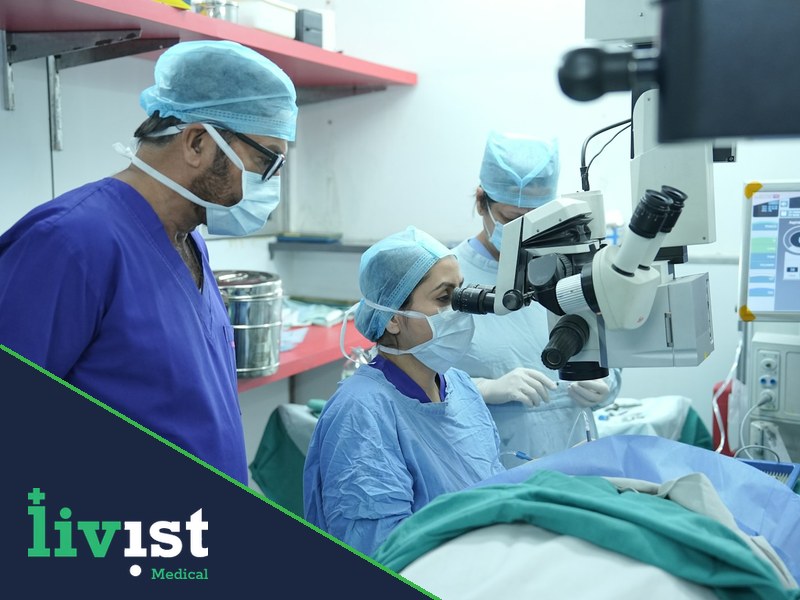
Retinal detachment surgery with vitrectomy in Istanbul, from $3,320 for the both-eyes package treatment. Urgent repair that reattaches the retina to save sight.
Duration
1–2 hours
Days in Istanbul
7
Hospital Stay
Day surgery or 1 night
Recovery
2–6 weeks, depending on the gas bubble
Contracted Institutions
Contracted Doctors
Average Rating
Patient Reviews
Retinal detachment is an emergency in which the retina separates from the back wall of the eye, typically signalled by flashes, a sudden shower of floaters and a curtain over part of your vision. Types include rhegmatogenous (from a tear, the most common), tractional (often linked to diabetes) and exudative. Early tears can be sealed with laser or cryotherapy, while a detachment is repaired with vitrectomy and a gas or silicone oil tamponade, a scleral buckle, or pneumatic retinopexy in selected cases. Single-operation success is around 85–95% when treated early.
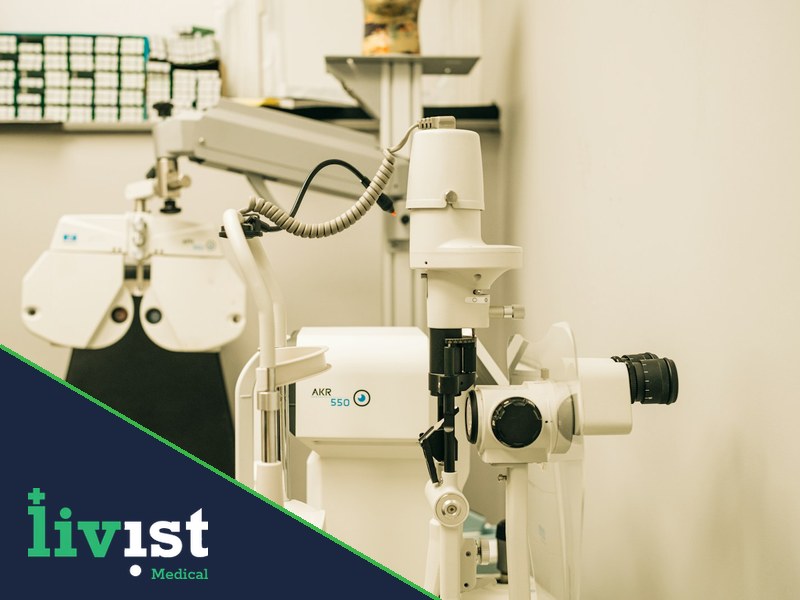
$3,320
Avg. rating
Self-pay prices for Retinal Detachment Surgery (Vitrectomy) (both eyes) compared with Turkey, 2026
$10,800
Current Livist prices at contracted institutions in Istanbul. The final price is confirmed after the doctor's evaluation.
| Type or technique | Best suited for | Price in Turkey |
|---|---|---|
| Retinal tear laser | A tear without detachment | $650 |
| Scleral buckle | Detachment in younger patients | $3,000 |
| Vitrectomy with gas or oil | Complex detachment | $3,320 |
From your first consultation to your flight home
Send your exam reports straight away so the earliest slot can be booked.
Fundus exam, ultrasound and locating the tear.
Vitrectomy, buckle or gas depending on the detachment.
Under local or general anaesthesia the retina is reattached and the tear sealed with laser.
A bubble presses the retina until it adheres.
Next-day check and head-positioning instructions.
What sets Retinal Detachment Surgery (Vitrectomy) apart at Livist Medical
Early treatment preserves vision.
Small-gauge vitrectomy systems.
Especially with early treatment.
Specialists in retinal surgery.
Fast coordination for emergencies.
Until the retina is stable.
An educational video from an independent medical source explaining Retinal Detachment Surgery, not from the treating provider.
OphthalmologyOphthalmologist specializing in cataract, laser vision correction, keratoconus and corneal transplant at Türkiye Hastanesi, Istanbul. 40+ years of experience.
 Ophthalmology
Ophthalmologist with a focus on retina and vitreous diseases at Türkiye Hastanesi, Istanbul. 30+ years since specialty training.
 Ophthalmology
Specialist in ophthalmology at Medipol Mega University and Medipol Acıbadem Hospital, Istanbul. 20+ years of experience.
 Ophthalmology
Specialist in ophthalmology and vitreoretinal surgery at Medipol Mega University Hospital, Istanbul. 25+ years of experience.
 Ophthalmology
Specialist in ophthalmology and vitreoretinal surgery at Medipol Mega University Hospital, Istanbul. 25+ years of experience.
Typical schedule and after-care plan in Istanbul.
Specific head positioning, often face-down, depending on the tear.
Regular drops; avoid bending and lifting.
Gas bubble absorbs and vision improves.
Flying only with the doctor's clearance.
Silicone oil removed if used.
Vision stabilises.
With gas in the eye, flying, travelling to high altitude and nitrous oxide anaesthesia are prohibited until the gas absorbs. Possible complications include raised eye pressure, cataract and re-detachment.
No hidden fees, no surprises
$3,320
Everything you want to know about Retinal Detachment Surgery (Vitrectomy)
Talk to a CoordinatorWith Livist it starts at $650 depending on the option that suits your case; the final price is set after the doctor reviews your reports.
Eye surgery in Turkey is performed in specialist ophthalmology hospitals with modern diagnostic and laser equipment. Safety depends on a full pre-operative eye examination and an experienced surgeon, which is how every Livist Medical case is arranged.
Not until the gas bubble has fully absorbed and your surgeon clears you, often 2–6 weeks; with silicone oil, flying is usually allowed.
Flashes of light, a sudden increase in floaters and a shadow or curtain over part of your vision.
Yes; delay reduces the chance of recovering vision, especially if the macula detaches.
Gas absorbs on its own within weeks; silicone oil stays until removed in a second operation months later.
So the gas bubble presses on the tear until the retina sticks.
About 85–95% with the first operation and higher with further surgery.
It depends on how long the retina was detached and whether the macula was involved.
Mild pain afterwards, controlled with painkillers.
About 7–10 days, longer with gas until flying is allowed.
Raised eye pressure, cataract, re-detachment and rarely infection.
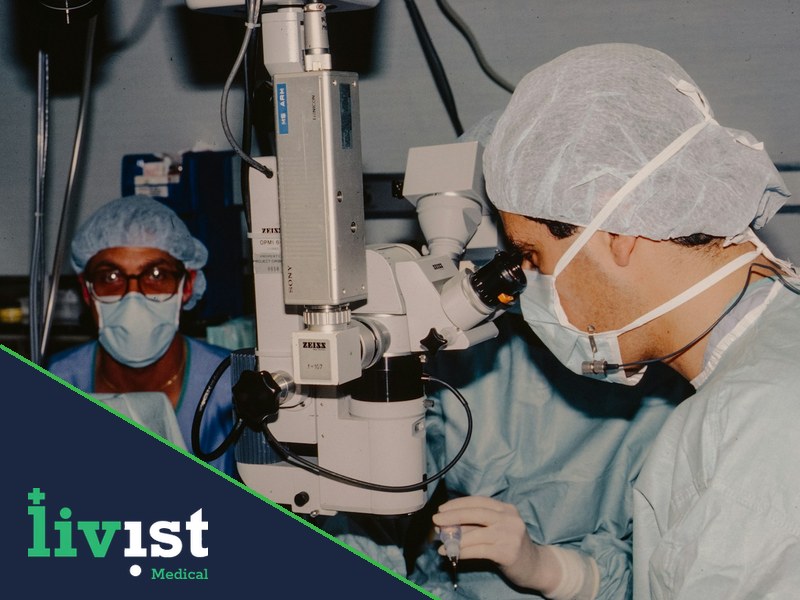 Ophthalmology
 Ophthalmology
 Ophthalmology
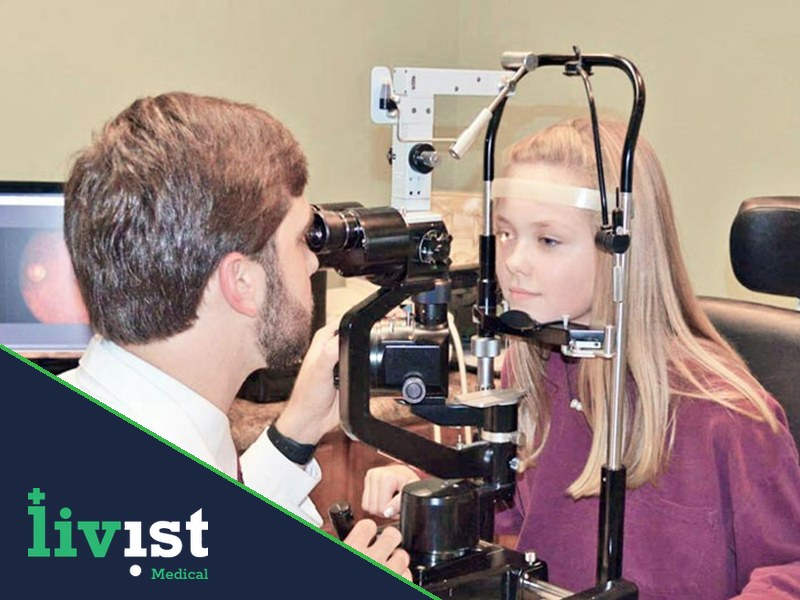 Ophthalmology
Our team is ready to help
Get in Touch
Free consultation