 IVF & Fertility
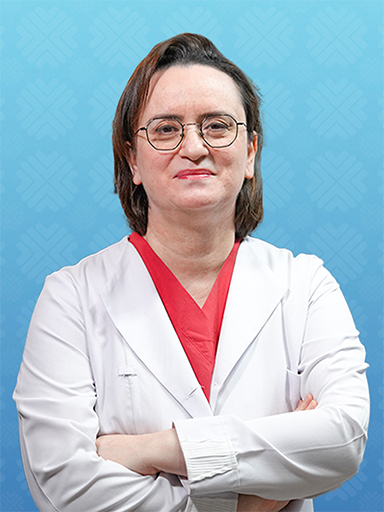
Prof. Dr. Gonca Yetkin Yıldırım
25 years experience
Senior IVF & fertility specialist at Medipol Mega University Hospital with 25 years of experience and 5,000+ successful cases.
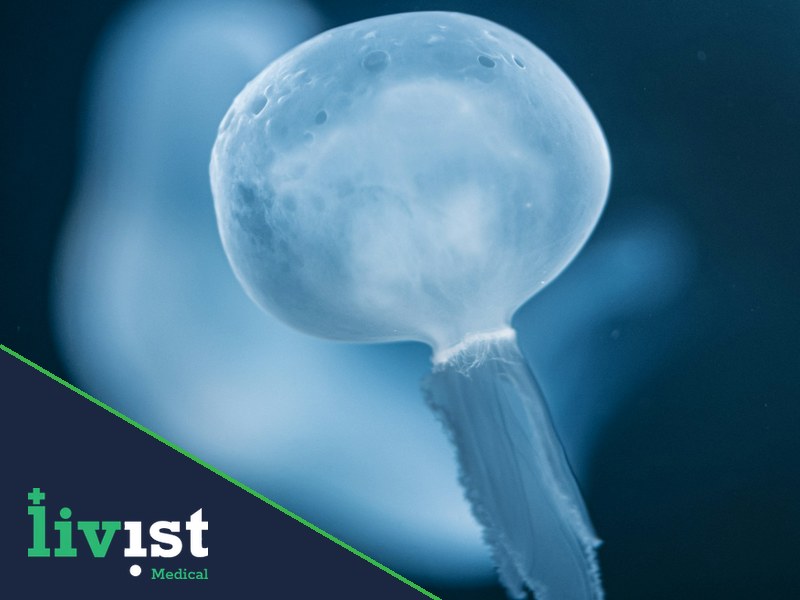
ICSI in Istanbul, Turkey from about $3,500 per cycle: a single sperm injected into each egg, used for male-factor infertility or previous fertilisation failure.
Duration
Cycle about 15–21 days
Days in Istanbul
18
Hospital Stay
Outpatient
Recovery
1–2 days after egg collection
Contracted Institutions
Contracted Doctors
Average Rating
Patient Reviews
ICSI (intracytoplasmic sperm injection) is a stage of IVF in which an embryologist injects a single selected sperm into each mature egg with a fine needle under the microscope, instead of letting fertilisation happen on its own. It is recommended for low sperm count, motility or morphology, after surgical retrieval (TESE or Micro-TESE), after failed fertilisation in a previous cycle or when few eggs are collected. Techniques such as IMSI and PICSI help select the best sperm.

$3,500
Avg. rating
Self-pay prices for ICSI (Intracytoplasmic Sperm Injection) (per cycle) compared with Turkey, 2026
Current Livist prices at contracted institutions in Istanbul. The final price is confirmed after the doctor's evaluation.
| Type or technique | Best suited for | Price in Turkey |
|---|---|---|
| ICSI cycle | Low sperm count or quality | $3,500 |
| ICSI with blastocyst culture | Better embryo selection | $3,850 |
| ICSI with surgical sperm retrieval | No sperm in the ejaculate | $4,900 |
From your first consultation to your flight home
Semen analysis and the wife's fertility tests.
Injections for 10–12 days with monitoring.
Under light sedation, with the husband's sample.
Each mature egg injected with a selected sperm.
Development monitored for 3–5 days.
The best embryo transferred and others frozen.
Semen analysis and the wife's fertility tests.
Injections for 10–12 days with monitoring.
Under light sedation, with the husband's sample.
Each mature egg injected with a selected sperm.
Development monitored for 3–5 days.
The best embryo transferred and others frozen.
What sets ICSI (Intracytoplasmic Sperm Injection) apart at Livist Medical
Even with very few sperm.
Than standard IVF in male-factor cases.
IMSI and PICSI when needed.
Using testicular sperm.
For future attempts.
At every stage.
An educational video from an independent medical source explaining ICSI, not from the treating provider.
IVF & FertilitySenior IVF & fertility specialist at Medipol Mega University Hospital with 25 years of experience and 5,000+ successful cases.
Typical schedule and after-care plan in Istanbul.
Stimulation injections and monitoring.
Rest the same day.
Fertilisation report.
Embryo transfer.
Pregnancy test.
Heartbeat scan.
Turkish law allows fertility treatment only for married couples using the wife's own eggs and the husband's own sperm. Donor eggs, donor sperm, embryo donation, surrogacy and non-medical sex selection are prohibited, and single women and unmarried couples are not eligible.
No hidden fees, no surprises
$3,500
Everything you want to know about ICSI (Intracytoplasmic Sperm Injection)
Talk to a CoordinatorWith Livist it starts at $3,500 depending on the option that suits your case; the final price is set after the doctor reviews your reports.
ICSI is part of IVF where sperm is injected directly into the egg instead of fertilising on its own.
For poor semen quality, surgically retrieved sperm or previous fertilisation failure.
It depends on the woman's age and egg and embryo quality more than the fertilisation method.
Higher magnification to select sperm with the best shape.
Studies show it is safe, with a slight increase in some genetic conditions linked to paternal infertility.
Yes, including surgically retrieved sperm.
About 12–18 days.
No, Turkish law allows only the husband's sperm.
Semen analysis, AMH, FSH, ultrasound, infection screening and your marriage certificate.
They are frozen for later use.
 IVF & Fertility
 IVF & Fertility
 IVF & Fertility
 IVF & Fertility
Our team is ready to help
Get in Touch
Free consultation